
Why choose ZICOTEC?

AI Hardware Reliability Test System | High-Precision Thermoelectric Coolers Temperature Control Solution.

Driven by the rapid iteration of AI hardware toward higher computing power, miniaturization and high power density, the thermal stability of chips, computing modules and edge intelligent terminals has become a core determinant of p

Why adopt Thermoelectric Coolers for AI performance testing?

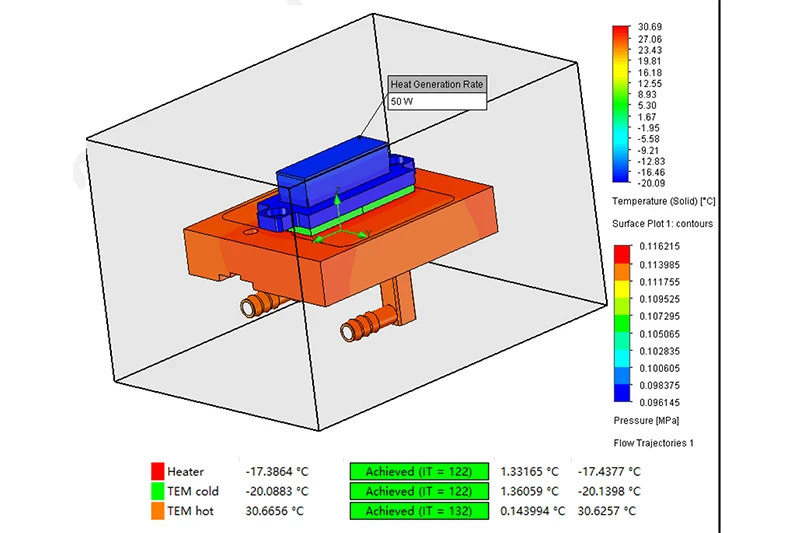
Traditional thermal testing equipment such as constant temperature chambers and thermal benches suffers from slow temperature response, inefficient full-chamber temperature control, mechanical vibration interference and inability to perform localized chip temperature testing. These limitations make them inadequate for refined reliability verification of high-performance AI hardware. Built upon high-precision Thermoelectric Coolers (Peltier) temperature control technology, our system provides a dedicated thermal reliability testing platform for AI devices. It accurately simulates real-world operating conditions including high and low temperature cycling, thermal shock, and dynamic load-temperature coupling. The platform fully covers prototype verification, mass production aging, failure recurrence and reliability grading, delivering solid data support for thermal design optimization, performance stability verification and quality control of AI hardware products.

Core Technical Advantages of Thermoelectric Coolers​

Unlike conventional compressor-based cooling systems that rely on refrigerants and mechanical cycling, Thermoelectric Coolers regulate temperature based on the semiconductor thermoelectric effect. They enable fully mechanical-free, refrigerant-free bidirectional thermal control with low thermal inertia and fast response. These characteristics make them an optimal solution for high-precision AI hardware reliability testing, effectively resolving common industry limitations including insufficient accuracy, distorted environmental simulation and mechanical interference.

A single Thermoelectric Coolers module supports seamless switching between heating and cooling without equipment replacement or preheating/cooling standby. It enables continuous temperature cycling and alternating thermal tests to meet full-range reliability verification requirements for AI hardware.
Equipped with closed-loop PID intelligent regulation algorithms, the system supports fixed-point constant temperature, linear gradient temperature change and staged temperature adjustment. It eliminates temperature overshoot and uneven thermal field issues inherent in traditional equipment, ensuring high authenticity and accuracy of all test data.

With extremely low thermal inertia, Thermoelectric Coolers modules instantly adjust temperature following dynamic AI load fluctuations. It accurately reproduces temperature changes caused by full-load heating, no-load cooling and instantaneous power spikes, solving the problem of delayed thermal response in conventional testing devices under dynamic computing scenarios.
Vibration-free and low-noise operation for interference-free testing: Operating without compressors or rotating mechanical components, the system generates zero vibration and low noise. It avoids physical interference with AI chips, optical devices, sensor modules and high-speed interfaces, establishing a pure and stable precision testing environment.

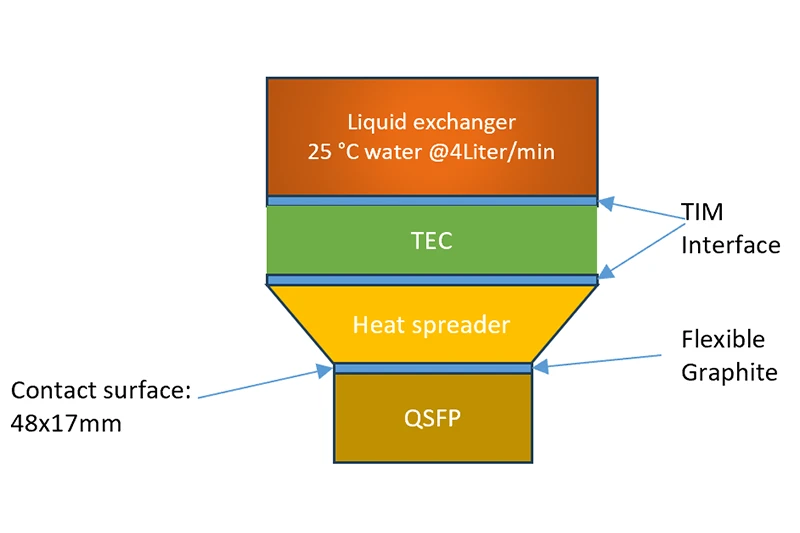
Localized targeted temperature control for higher testing efficiency: Instead of full-chamber temperature adjustment, the system supports localized thermal control targeting core heat sources such as AI chip centers and computing modules. It greatly shortens test cycles and enables precise localization of thermal-induced failures.
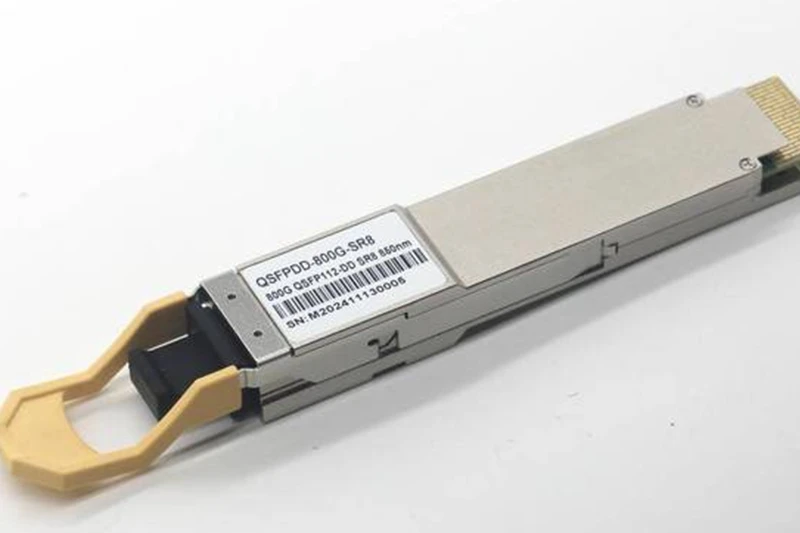
Core Testing Functions (Optimized for AI Hardware Reliability Pain Points)​

Integrated with Thermoelectric Coolers temperature control units, high-precision data acquisition units, dynamic AI load simulation units and automatic measurement & control host software, the system features customized testing logic for high-frequency mass-production failures. It supports fully unattended operation, full data traceability and intelligent anomaly judgment, complying with strict industrial reliability standards.

•High and low temperature durability aging test: Simulates long-term full-load high-temperature operation, extreme low-temperature startup and prolonged constant-temperature standby conditions. It continuously monitors computing performance, frame rate stability, power consumption fluctuation and system operating status to screen latent faults such as computing attenuation and operational stuttering under long-duration working conditions.​

• Temperature cycle fatigue test: Customizable temperature ranges, temperature change rates and cycle counts simulate daily startup/shutdown and seasonal temperature variations. It reproduces long-term reliability risks including PCB thermal deformation, solder joint fatigue, packaging cracking and parameter drift.​

• Rapid thermal shock test: Leveraging the ultra-fast switching capability of Thermoelectric Coolers, the system performs extreme alternating hot and cold impact tests. It rigorously verifies the thermal expansion and contraction resistance of AI chip packaging, welding structures and circuits, exposing potential process defects in mass-produced products.​

• Dynamic computing-temperature coupling test: Cooperating with dynamic load equipment, it simulates real AI inference, training and instantaneous high-load scenarios with synchronized temperature variation. This restores authentic service conditions and eliminates result deviation caused by static single-factor testing.​

• 7×24-hour unattended burn-in test: Supports long-term continuous automatic testing with full real-time recording of temperature curves, power consumption, computing parameters, system logs and abnormal events such as restart, error reporting and crash. Complete test archives meet traceability requirements for mass aging and reliability certification.​

• Accurate recurrence of intermittent failures: Precisely reproduces occasional faults such as low-temperature startup failure, high-frequency thermal throttling, computing jitter and interface disconnection through accurate temperature and load simulation, assisting R&D teams in locating hardware, thermal design and adaptation defects.

Applicable Test Objects

Customization Services and Sharing cases​

We provide personalized customization based on product dimensions, power consumption characteristics and application scenarios, as well as enterprise, national and industrial standard requirements. Customizable services include multi-channel Thermoelectric Coolers thermal control arrays, multi-station parallel testing architecture, exclusive automatic test scripts, personalized process flows and customized report templates to meet differentiated testing demands.