

What Thermal Management Solutions Can We Deliver for Transportation & Automotive Sectors?
New energy passenger vehicles, commercial vehicles and autonomous driving electronic systems operate year-round under three severe working conditions: extreme temperature fluctuation, continuous road vibration and limited enclosed cabin space. The temperature stability of core components including automotive lidars, ADAS computing motherboards, vehicle display terminals and power battery test fixtures directly impacts sensor precision, computing stability and overall driving safety. High summer temperatures lead to limited chip performance, laser wavelength drift and accelerated degradation of energy storage batteries, while low winter temperatures cause slow sensor startup and distorted test data.
Traditional air cooling and standard heat pipes fail to satisfy automotive mandatory requirements of waterproofing, vibration resistance and bidirectional temperature adjustment simultaneously. We build complete temperature control systems based on self-developed products: TEC semiconductor cooling units, integrated skived fin heat sinks and micro-channel liquid cooling vapor chambers. All products maintain stable performance from -40℃ to 85℃, with shockproof, sealed and waterproof optimized structures. Custom non-standard shapes are available to match cabin layout constraints. Our solutions continuously balance component operating temperatures, reduce after-sales repair rates of vehicle electronics and extend the overall service life of onboard equipment.

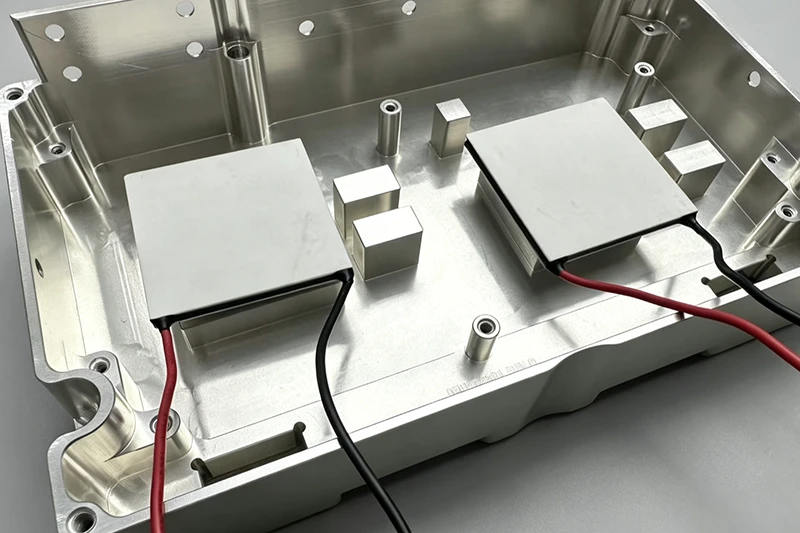
Lidar laser emitters are extremely sensitive to temperature shifts; tiny temperature gaps will distort ranging data. Compact sealed TEC modules fit narrow inner radar cavities to maintain constant light source temperature in real time. Shockproof and waterproof structures adapt to fluctuating temperatures and bumpy roads to sustain accurate ranging all year round.
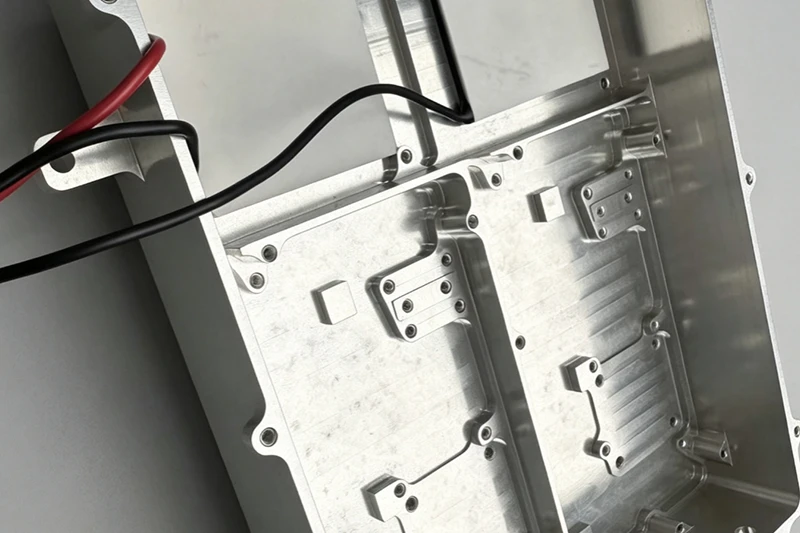
Automotive computing chips generate highly concentrated heat under full load with poor heat dissipation inside closed cabins. Custom skived fin heat sinks paired with VC vapor chambers attach tightly to heat sources for fast heat removal. High-strength construction resists road vibration to avoid thermal throttling and deliver uninterrupted autonomous driving computing.
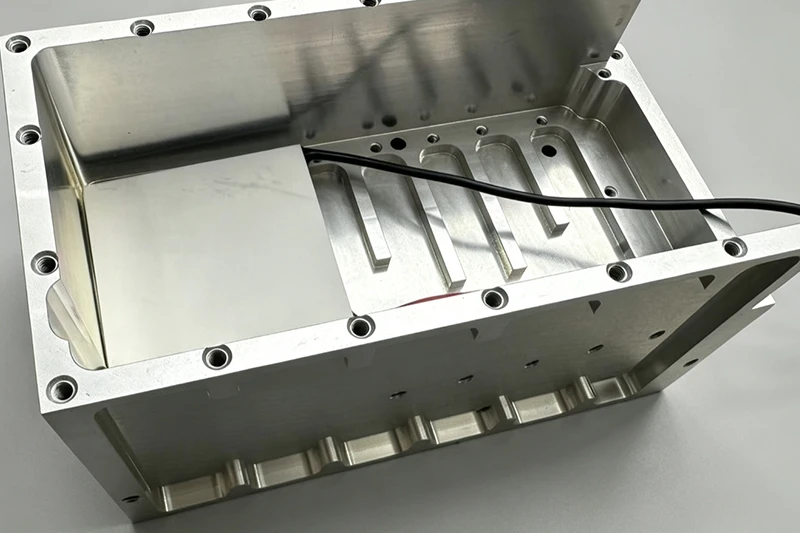
Battery performance testing requires a constant temperature benchmark; extreme outdoor temperatures on vehicles will directly interfere with test results. Bidirectional heating and cooling TEC modules deliver precise temperature control suitable for wide onboard temperature ranges, with slim profiles easy to integrate into all kinds of battery test fixtures.