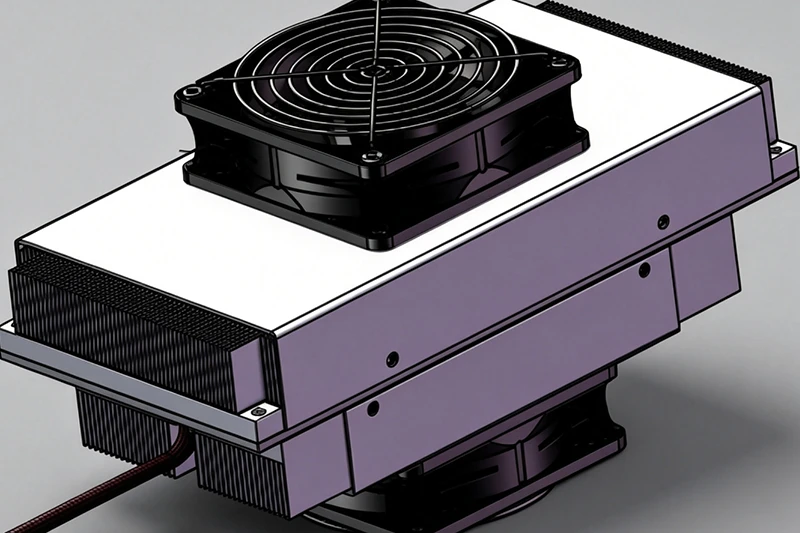
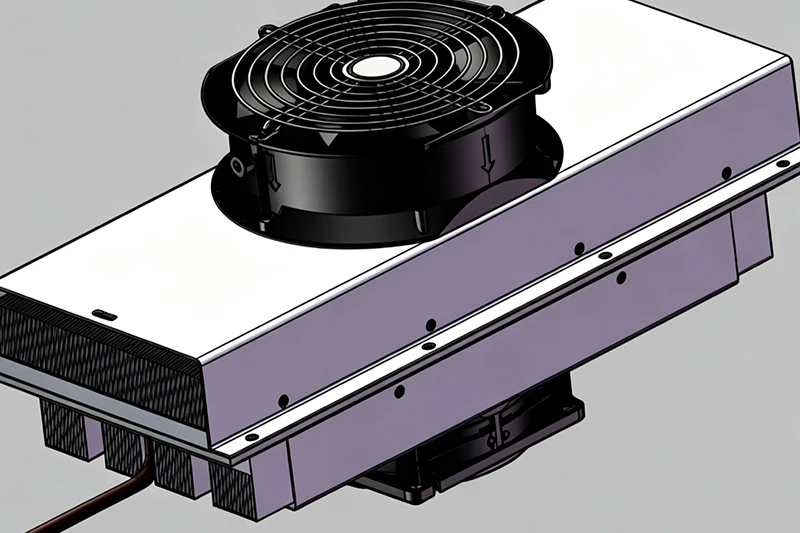
Thermoelectric Cooler Assembly parts
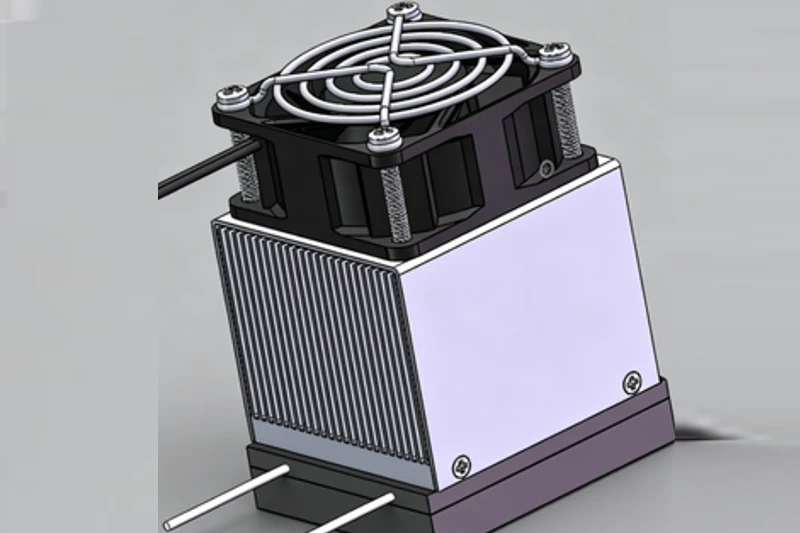
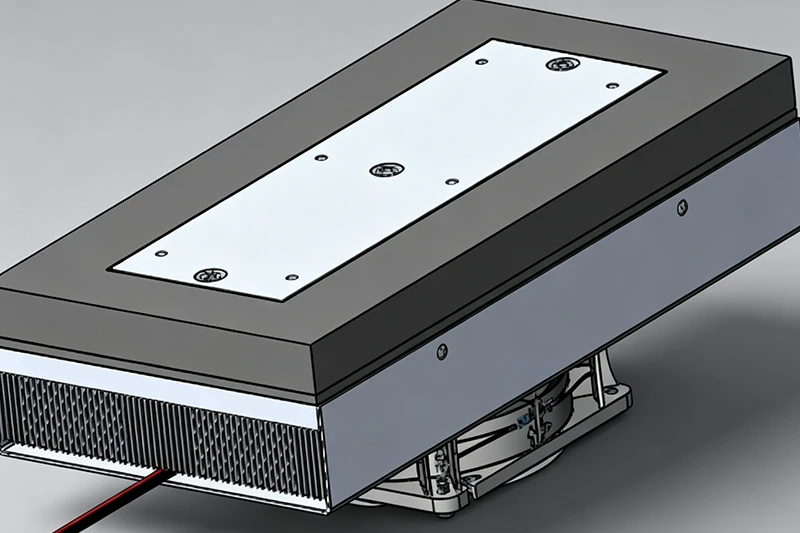
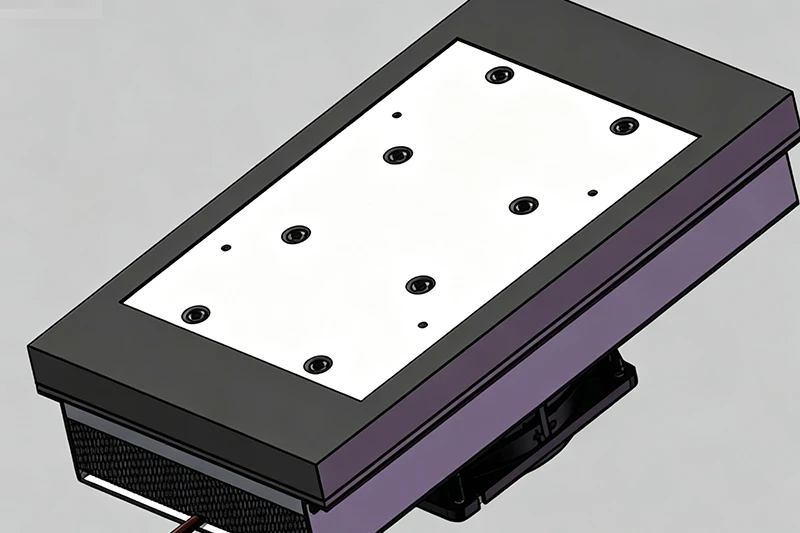
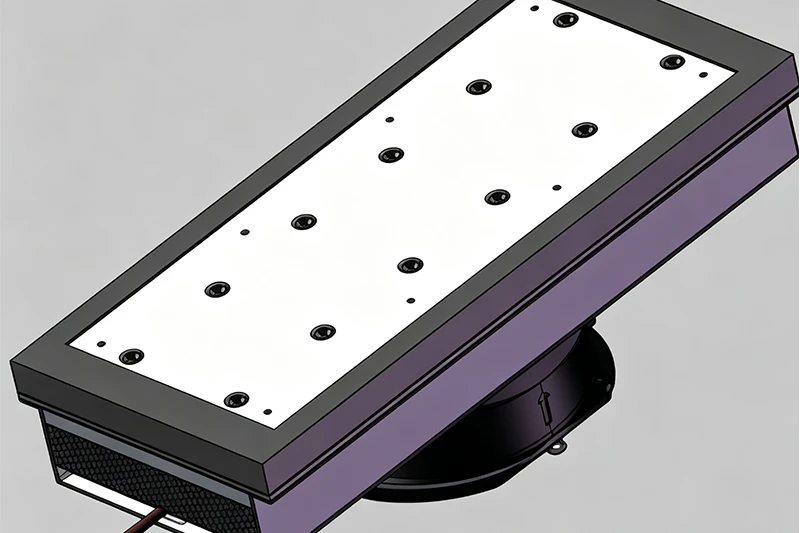
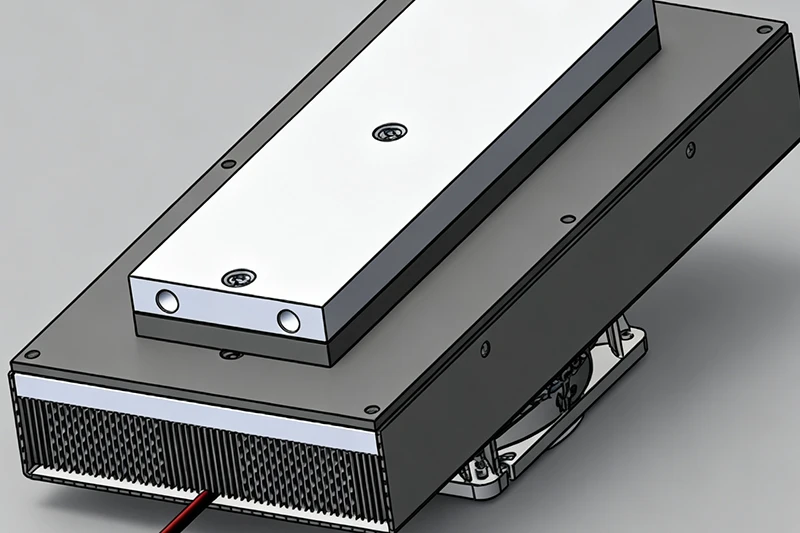
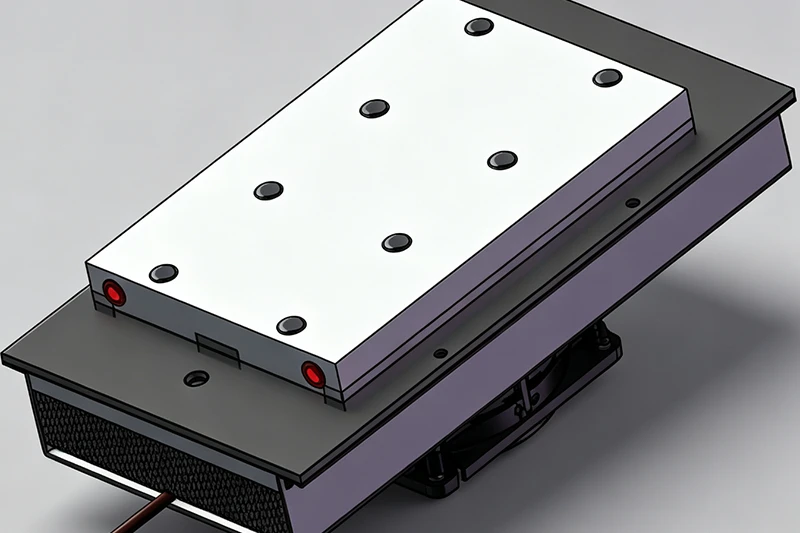
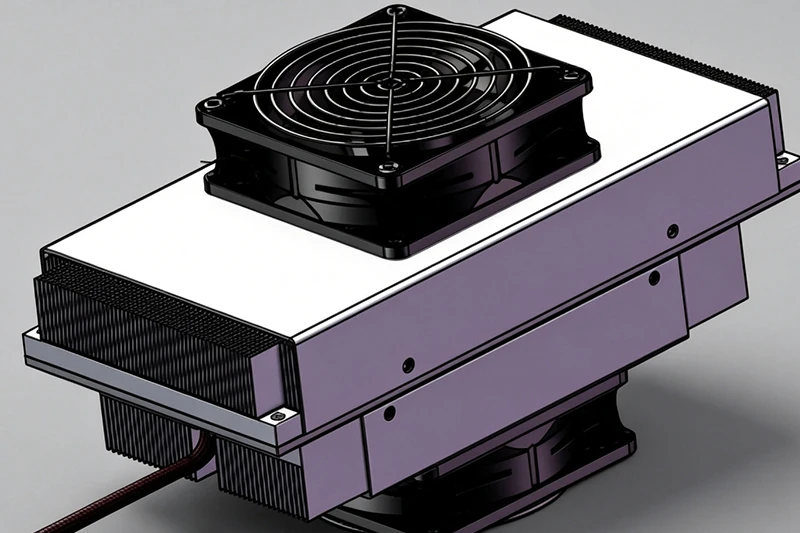
Thermoelectric cooler assemblies are complete modules developed based on thermoelectric cooling chips (TEC). We classify our standard products into air-to-air, air-to-plate and liquid-to-liquid types by heat dissipation method, and supply standardized cooling module solutions for customers.

ID-032-12-AD
Max cooling power 32W

ID-130-24-AD
Max cooling power 130W

ID-190-24-AD
Max cooling power 190W

ID-330-24-AD
Max cooling power 330W

ID-120-24-AL
Max cooling power 123W

ID-180-24-AL
Max cooling power 181W

ID-320-24-AL
Max cooling power 317.5W

ID-110-24-AA
Max cooling power 113W

ID-165-24-AA
Max cooling power 165W
Thermoelectric Cooler Assembly parts
Thermoelectric cooler assemblies are compact integrated temperature control modules widely adopted for precision instrument temperature regulation, covering medical equipment, industrial lasers, electronic enclosures, medical analyzers, automotive telecom devices and other fields. Our company specializes in manufacturing heat sinks and liquid cooling plates, and we optimize the performance of heat sinks and liquid cooling plates to maximize heat dissipation efficiency.
Our standard cooling capacity ranges from 50W to 400W. Customers can select air-to-air, air-to-plate or air-to-liquid plate thermal solutions for their equipment and applications. Custom liquid-to-liquid cooling systems are also available upon request. We develop these standard products to enable customers to quickly select suitable solutions and familiarize themselves with our products, while providing baseline technical parameters for their customized design projects.
Thermal Management Advantages
Conventional forced-air fan cooling systems cannot cool components below ambient temperature. For instance, if the ambient temperature is 35°C while a target operating temperature of 5°C is required, only compressor cooling systems or thermoelectric cooler assemblies can achieve sub-zero temperatures to meet customers’ special application demands. Our proprietary structural design circulates cold air entirely within the electronic enclosure, isolating internal components from external dust contamination. Meanwhile, precise temperature adjustment can be implemented in accordance with actual operational requirements.
- Compact structure, only composed of heat sink,liquid cooling plate and fan;
- Lightweight, no complicated circuit control;
- Only fan noise is generated with no severe vibration;
- Pure water is used as cooling liquid, fully complying with environmental protection standards
- Mainly mechanical connections, low failure rate & little maintenance;
- Low cost with long service life;
Thermoelectric coolers assembly technical articles
Our engineers have published many professional blog posts covering principles, application cases and performance testing of thermoelectric coolers. You and your engineering team may freely refer to the links below for detailed technical data and design guidance if you need relevant reference materials.
1,Thermoelectric cooling module.
2,Thermoelectric cooler parameters Analysis: Professional Interpretation of Voltage, Current, Temperature Difference and COP Efficiency
3,The Development History of Semiconductor Refrigeration: From Laboratory Principles to Industrial Commercialization
4,Zero-Basic Guide to TEC Refrigeration Modules: Internal Structure, Thermoelectric Chips and Ceramic Substrate Functions
5,TEC Refrigeration Basic Physical Formulas, Heat Transfer and Temperature Difference Calculation In-Depth Tutorial
6,Influence of DC Power Supply on Thermoelectric Cooler Cooling Performance: Voltage Stabilization vs. Constant Current Power Supply
7,How to Follow the TEC Cold and Hot Side Manual Guide
8,In-Depth Analysis of TEC Heat Dissipation Technology: Air Cooling, liquid Cooling and Heat Pipe Cooling Comparison Guide
9,Guide to Thermal Grease in TEC Refrigeration: Coating Thickness and Thermal Conductivity Optimization
10,Heat Dissipation Challenges of High-Density Thermoelectric Cooler Arrays: Optimization Design of Multi-Chip Stack Heat Dissipation guide
11,Thermal Improvement of Thermoelectric Coolers in Extreme High-Temperature Environments: High-Temperature Resistant Heat Dissipation Structure Design Guide